 Blogs

 Nov 16, 2026
 10 mins read
Yes, vitamin C helps your body absorb iron. The NIH Office of Dietary Supplements states that vitamin C “improves the absorption of nonheme iron, the form of iron that is present in plant-based foods” [1], and the World Health Organization advises eating foods rich in vitamin C, “which help the body absorb iron” [4]. In practice, that means having vitamin C at the same meal as iron-containing foods such as beans, lentils, spinach and iron-fortified bread or rice. Anemia is a different matter: it has to be diagnosed and treated by a doctor, and vitamin C supports iron absorption rather than replacing that care.
Consult your doctor or pharmacist before taking any additional vitamin or supplement, especially alongside an iron supplement or other medicines you already take.
Does Vitamin C Help Iron Absorption?
Yes. Vitamin C helps the body absorb nonheme iron, the type of iron found in plant foods and iron-fortified foods. The NIH Office of Dietary Supplements lists this as one of vitamin C’s roles in the body: vitamin C “improves the absorption of nonheme iron, the form of iron that is present in plant-based foods” [1].
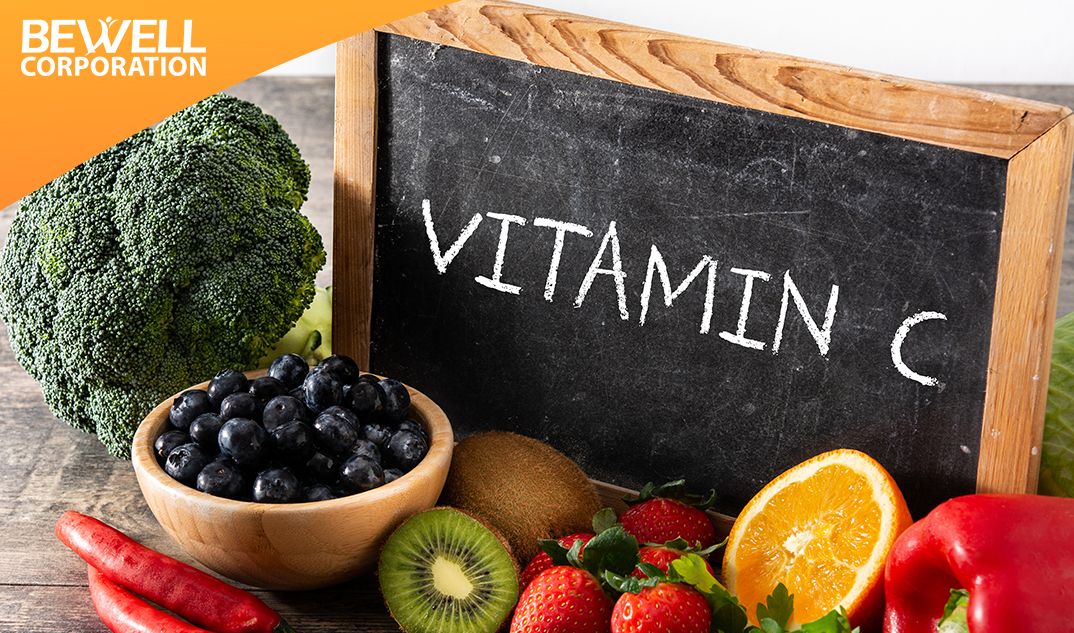
The NIH’s consumer guide to iron puts the same point in everyday terms: “Your body absorbs iron from plant sources better when you eat it with meat, poultry, seafood, and foods that contain vitamin C, such as citrus fruits, strawberries, sweet peppers, tomatoes, and broccoli.” [2]
The World Health Organization gives the same advice in its anemia fact sheet, recommending that people “eat foods rich in vitamin C (such as fruits and vegetables) which help the body absorb iron” [4].
What Is the Difference Between Heme and Nonheme Iron?
Food contains iron in two forms, and the difference explains why vitamin C matters. The NIH explains: “Iron in food comes in two forms: heme iron and nonheme iron. Nonheme iron is found in plant foods and iron-fortified food products. Meat, seafood, and poultry have both heme and nonheme iron.” [2]
Heme iron comes from meat, seafood and poultry. The body absorbs it more readily.
Nonheme iron comes from plant foods, such as beans, lentils, spinach and peas, and from foods with iron added, such as iron-fortified breads and cereals [2]. This is the iron that vitamin C helps the body absorb [1].
The NIH notes that “Heme iron has better bioavailability than nonheme iron” and that “consuming other dietary components with nonheme iron, such as ascorbic acid and phytate, can significantly affect the bioavailability of nonheme iron” [3]. Bioavailability means how much of a nutrient the body actually takes in and uses. Ascorbic acid is the chemical name of vitamin C.
What Slows Down Iron Absorption?
Some foods and drinks work in the opposite direction. The World Health Organization advises people to “avoid foods that slow down iron absorption when consuming iron-rich foods, such as bran in cereals (wholewheat flour, oats), tea, coffee, cocoa and calcium” [4].
The NIH adds that phytate, “which is present in grains and beans”, and certain polyphenols in some plant foods reduce nonheme iron absorption [3]. For calcium, the WHO’s practical advice is: “If you take calcium and iron supplements, take them at different times during the day.” [4]
Why Does Iron Absorption Matter in the Philippines?
Iron deficiency anemia is defined in Philippine health policy in terms of absorption. The Department of Health’s micronutrient supplementation policy, Administrative Order No. 2010-0010, describes iron deficiency anemia as “a disorder resulting from the decrease in the number of red blood cells due to lack of iron”, which “occurs if the amount of iron absorbed is too little to meet the body’s needs” [7].
Anemia is still common in the country. The Food and Nutrition Research Institute’s 2023 National Nutrition Survey found that “Anemia affects 1 in every 10 (10.9%) women of reproductive age and 2 in every 10 (17.2%) older persons” [5], and that 1 in every 10 (11.4%) children under five (measured at 6 to 59 months old) is anemic [6].
Fortified staples carry nonheme iron. The DOH policy lists “flour fortified with Vitamin A and iron” and “rice with iron” among its examples of food fortification [7], and the NIH notes that iron-fortified foods contain nonheme iron [3]. That is the form of iron vitamin C helps the body absorb [1].
The same DOH order names pregnant and lactating women among the priority groups for micronutrient supplementation [7]. Iron during pregnancy is managed by your obstetrician; the Philippine vitamin C figures for pregnancy are covered in vitamin C for pregnant women.
How Can You Pair Vitamin C With Iron-Containing Meals?
The practical rule is simple:
Start with the iron. The NIH lists lean meat, seafood and poultry; iron-fortified breakfast cereals and breads; white beans, lentils, spinach, kidney beans and peas; and nuts and some dried fruits, such as raisins [2].
Add vitamin C to that meal. The NIH examples are citrus fruits, strawberries, sweet peppers, tomatoes and broccoli [2]. A vitamin C supplement taken with the meal is another way to have vitamin C there, if its label directs taking it with food.
Keep tea, coffee and cocoa for later. The WHO lists them among the drinks that slow iron absorption when taken with iron-rich foods [4].
Separate calcium and iron supplements. The WHO advises taking them at different times of the day [4].
How much vitamin C Filipino adults need each day is covered in vitamin C 500mg or 1000mg: how much Filipino adults actually need per day.
Should I Take Vitamin C With My Iron Supplement?
Ask the doctor who prescribed your iron, because an iron supplement comes with its own directions and the timing of everything else you take should fit around them. The NIH notes that iron supplements are often in the form of “ferrous sulfate, ferrous gluconate, ferric citrate, or ferric sulfate” [2], and the WHO advises “taking supplements if a qualified health-care provider recommends them” [4].
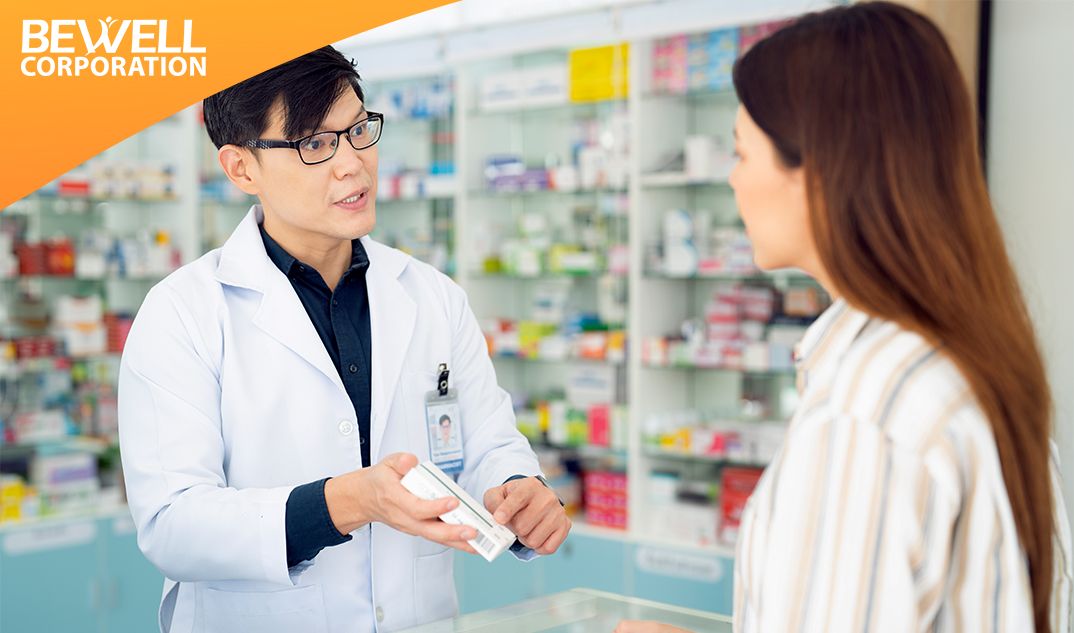
What the sources do establish is that vitamin C improves the absorption of nonheme iron [1]. Bring your iron supplement and your vitamin C product to your doctor or pharmacist, and ask them whether to take the two at the same meal.
Three points to raise at the same visit:
Zinc. The NIH notes that large amounts of supplemental iron can lower zinc absorption [2]. If you take a vitamin C and zinc combination, the timing is explained in vitamin C and zinc.
Calcium. Take calcium and iron supplements at different times of the day [4].
Other medicines. The NIH lists medicines that iron can interact with, including levodopa and levothyroxine [2]. Tell your doctor, pharmacist and other health care providers about everything you take.
Vitamin C for Anemia: What Should You Know?
Vitamin C is not a treatment for anemia. What it does is help the body absorb nonheme iron [1]. Anemia itself needs a doctor, for three reasons the WHO sets out:
It is diagnosed with a blood test. “Anaemia is diagnosed based on blood haemoglobin concentrations falling below specified thresholds established based on age, sex, and physiological status.” [4]
It has many causes. The WHO lists “nutrient deficiencies, inadequate diet (or the inadequate absorption of nutrients), infections, inflammation, chronic diseases, gynaecological and obstetric conditions, and inherited red blood cell disorders” [4]. The WHO considers iron deficiency the most common nutritional cause of anemia, and lists other nutrients and conditions as causes too [4].
What to do depends on the cause. The WHO states that anemia “is considered a symptom of an underlying condition(s)” [4], so the right care depends on what your doctor finds.
See a doctor if you have symptoms such as tiredness, dizziness or feeling light-headed, cold hands and feet, headache, or shortness of breath, especially upon exertion; the WHO lists these as common symptoms of anemia [4]. If your doctor prescribes iron, ask whether to have vitamin C-rich foods or a vitamin C product at the same meal.
One group should check with a doctor before taking either iron or vitamin C: people with hemochromatosis, an inherited condition in which iron builds up in the body. The NIH states: “People with this disorder should avoid using iron supplements and vitamin C supplements.” [2]
Where Ascorbic Acid (Bewell-C) Fits
Ascorbic Acid (Bewell-C) is ascorbic acid (as 500 mg sodium ascorbate) per capsule, the non-acidic form of vitamin C [8]. It is registered with the Philippine FDA as a non-prescription drug rather than as a food supplement, under registration number DRHR-1355, and it is indicated “For the treatment and prevention of Vitamin C deficiency.” Its label directions read: “Take 1-3 capsules a day with beverage or meal or as prescribed by physician.” [8] Together with proper diet and exercise.
Because its label directs taking it with a beverage or meal, Ascorbic Acid (Bewell-C) can be taken at the same meal as iron-containing foods such as beans, lentils, spinach or iron-fortified bread. Its registered use is vitamin C deficiency. Anemia and iron deficiency are for your doctor to diagnose and treat, so if you take an iron supplement, ask your doctor or pharmacist how Ascorbic Acid (Bewell-C) fits around it. How sodium ascorbate and ascorbic acid compare is explained in sodium ascorbate vs ascorbic acid.
Ask a doctor or pharmacist what suits you, especially if you are pregnant, breastfeeding, managing a health condition, or taking other medicines.
Ascorbic Acid is the generic name of Bewell-C.
Product Facts: Ascorbic Acid (Bewell-C)
Product: Ascorbic Acid (Bewell-C) · Ascorbic acid (as 500 mg sodium ascorbate) per capsule
Indication: For the treatment and prevention of Vitamin C deficiency.
Directions: Take 1-3 capsules a day with beverage or meal or as prescribed by physician.
FDA Reg. No.: DRHR-1355
About Bewell Nutraceuticals Corporation
Bewell Nutraceuticals Corporation is a Philippine FDA-licensed Trader and Distributor of both Drug and Food, operating from Quezon City since 2007. Bewell manages the formulation and the sourcing of raw materials for its products, which are manufactured by a partner and sold through Mercury Drug, Watsons, South Star Drug, Rose Pharmacy and other drugstores nationwide. The company supplies Ascorbic Acid (Bewell-C), ascorbic acid (as 500 mg sodium ascorbate) per capsule, registered with the Philippine FDA as a non-prescription drug rather than as a food supplement, under registration number DRHR-1355. To see the full Bewell range and where to buy it, visit the Ascorbic Acid (Bewell-C) product page.
Frequently Asked Questions
Does vitamin C help the body absorb iron?
Yes. The NIH Office of Dietary Supplements states that vitamin C “improves the absorption of nonheme iron, the form of iron that is present in plant-based foods.” The World Health Organization also advises eating foods rich in vitamin C, “which help the body absorb iron.” For the most help, have vitamin C at the same meal as iron-containing foods such as beans, lentils, spinach or iron-fortified bread.
What is the difference between heme and nonheme iron?
Heme iron comes from meat, seafood and poultry, and the body absorbs it more readily. Nonheme iron comes from plant foods and iron-fortified foods. The NIH explains that meat, seafood and poultry contain both forms, and that the body does not absorb nonheme iron in plant foods as well as heme iron in animal foods. Vitamin C helps the body absorb nonheme iron.
Should I take vitamin C with my iron supplement?
Ask the doctor who prescribed your iron supplement, because it comes with its own directions and the timing of other supplements should fit around them. The NIH states that vitamin C improves the absorption of nonheme iron. Bring both products to your doctor or pharmacist and ask whether to take them at the same meal, and mention any zinc or calcium supplements, since the timing of those matters too.
Is vitamin C a treatment for anemia?
No. Vitamin C helps the body absorb nonheme iron, but anemia must be diagnosed and treated by a doctor. The World Health Organization explains that anemia is diagnosed with a blood test for haemoglobin, has many possible causes, and “is considered a symptom of an underlying condition(s).” See a doctor if you have symptoms such as tiredness, dizziness, cold hands and feet, headache or shortness of breath.
Which foods should I pair with vitamin C for iron?
Pair iron-containing foods with vitamin C at the same meal. The NIH lists iron sources including lean meat, seafood and poultry, iron-fortified cereals and breads, white beans, lentils, spinach, kidney beans and peas, and vitamin C sources including citrus fruits, strawberries, sweet peppers, tomatoes and broccoli. A vitamin C supplement taken with the meal, as its label directs, is another way to have vitamin C there.
What slows down iron absorption?
The World Health Organization lists bran in cereals, tea, coffee, cocoa and calcium as things that slow iron absorption when taken with iron-rich foods. The NIH adds phytate, found in grains and beans, and certain polyphenols in some plant foods. Keeping coffee and tea for between meals, and taking calcium and iron supplements at different times of the day, are simple ways to work around them.
How common is anemia in the Philippines?
According to the Food and Nutrition Research Institute’s 2023 National Nutrition Survey, anemia affects 1 in every 10 (10.9%) women of reproductive age, 2 in every 10 (17.2%) older persons, and 1 in every 10 (11.4%) children under five. The Department of Health describes iron deficiency anemia as occurring “if the amount of iron absorbed is too little to meet the body’s needs.”
Can I take Ascorbic Acid (Bewell-C) with meals that contain iron?
Yes. The label of Ascorbic Acid (Bewell-C) reads: “Take 1-3 capsules a day with beverage or meal or as prescribed by physician.” So it can be taken with a meal that contains iron. It is ascorbic acid (as 500 mg sodium ascorbate) per capsule, registered with the Philippine FDA as a non-prescription drug under DRHR-1355 and indicated “For the treatment and prevention of Vitamin C deficiency.” If you take an iron supplement or have anemia, ask your doctor or pharmacist how to fit it in.
Who should check with a doctor before taking vitamin C with iron?
Anyone taking a prescribed iron supplement, anyone being treated for anemia, pregnant or breastfeeding women, and anyone on regular medicines should check with a doctor or pharmacist first. People with hemochromatosis, an inherited condition in which iron builds up in the body, need particular care: the NIH states, “People with this disorder should avoid using iron supplements and vitamin C supplements.”
Related Bewell Products
Ascorbic Acid (Bewell-C): Ascorbic acid (as 500 mg sodium ascorbate) per capsule, the non-acidic form of vitamin C. Directions: “Take 1-3 capsules a day with beverage or meal or as prescribed by physician.”
Ascorbic Acid + Zinc (Bewell-C Zinc Protect): The same non-acidic vitamin C together with 10 mg of zinc, in a single capsule. Directions: “Take 1-2 capsules a day with beverage or meal or as prescribed by physician.” If you also take iron, see the timing note in the zinc article below.
Related Articles
Vitamin C for Pregnant Women: How Much You Need in the Philippines
Vitamin C 500mg or 1000mg: How Much Filipino Adults Actually Need Per Day
Which Vitamin C Do Pharmacists Recommend and What They Check First
Medical Disclaimer
This article is general information about vitamin C and iron, drawn from Philippine and international health sources. It is not medical advice and not a substitute for consulting a qualified professional. Anemia and iron deficiency must be diagnosed and treated by a doctor. Consult your doctor or pharmacist before starting, stopping or changing any vitamin, supplement or medicine, and always follow the directions printed on your product.
References
[1] Office of Dietary Supplements, National Institutes of Health. Vitamin C: Fact Sheet for Health Professionals (updated July 31, 2025).
[2] Office of Dietary Supplements, National Institutes of Health. Iron: Fact Sheet for Consumers (updated August 17, 2023).
[3] Office of Dietary Supplements, National Institutes of Health. Iron: Fact Sheet for Health Professionals (updated September 4, 2025).
[4] World Health Organization. Anaemia, fact sheet.
[5] Food and Nutrition Research Institute, Department of Science and Technology. DOST-FNRI presents the latest PH Nutrition Situation (2023 National Nutrition Survey).
[6] Food and Nutrition Research Institute, Department of Science and Technology. 2023 National Nutrition Survey: Nutritional Status of Under-Five Children (0 to 59 Months).
[7] Department of Health, Republic of the Philippines. Administrative Order No. 2010-0010, Revised Policy on Micronutrient Supplementation.
[8] Ascorbic Acid (Bewell-C) pack label, FDA Reg. No. DRHR-1355. Indication, formulation and directions.
If symptoms persist, consult your doctor.
Ascorbic Acid is the generic name of Bewell-C. Ascorbic Acid + Zinc is the generic name of Bewell-C Zinc Protect.